Space
Space industry

FIBK
Earth orbits are the environment where the space industry will develop.
In order to understand the space industry and business opportunities in space, one must understand the playing field: orbits, how they are defined and what ventures are suitable for each orbit.
The main Orbits are as follows:

Space-related businesses generate roughly $260 billion annually. According to estimates from Bank of America Merrill Lynch, investment in space will increase eightfold, reaching roughly $2.7 trillion.
This growth will be driven by the construction of reusable rockets, the ever-increasing demand for Internet access in remote parts of the world (~4 billion people without Internet today), the growing demand for mobility and the increasing desire to monitor the environment, which includes weather forecasting needs.
Investment is divided into three parts:
Rockets
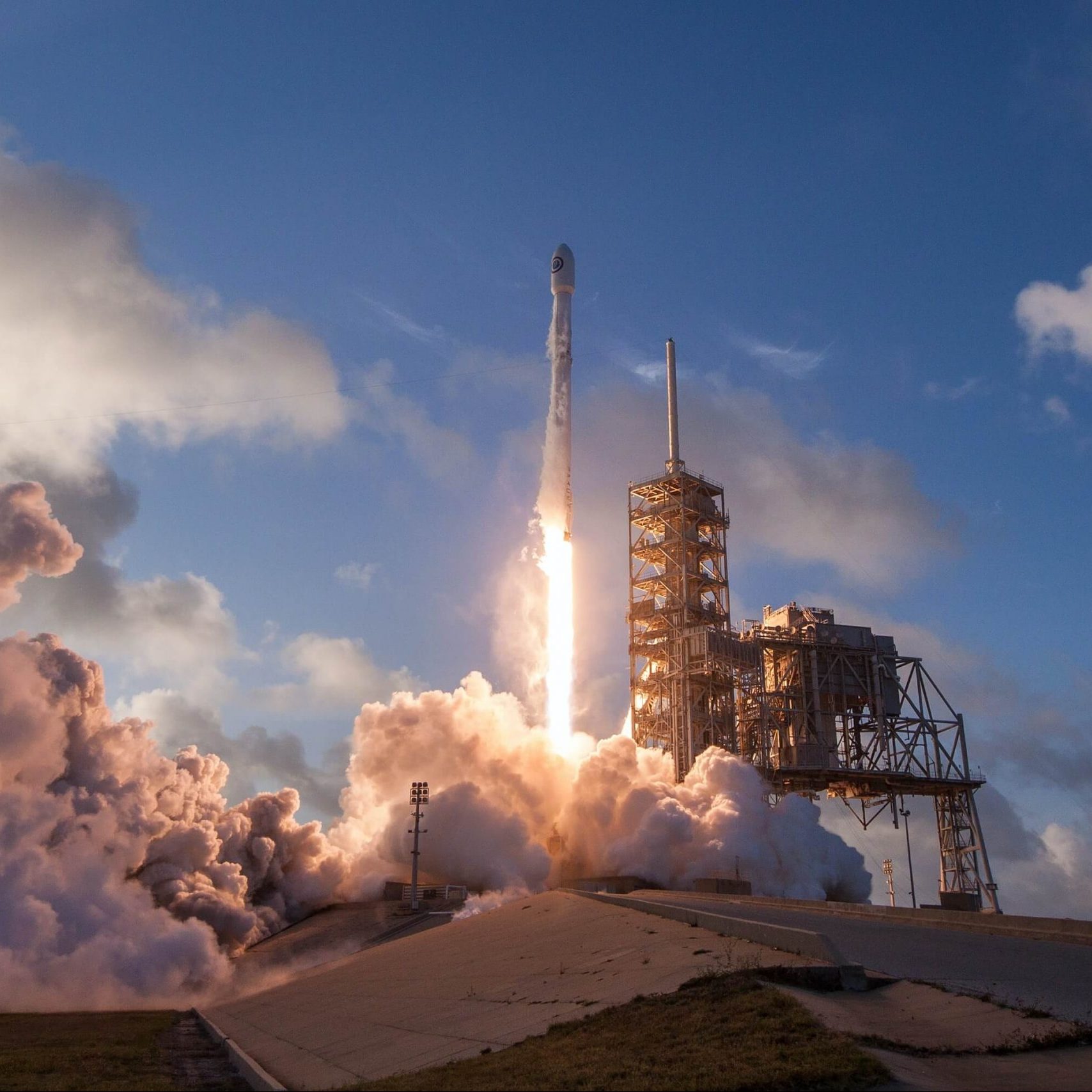
Rockets must be built in order to launch the wide variety of satellites, probes and ships into space. Without rockets for transport, it does not make much sense to build any type of satellite, rope or ship.
Satellites
Next comes the construction of satellites of all types, including those for Earth observation and communications, to name a few, as well as space probes, cargo vessels and manned ships.
Control Systems
These satellites and probes require control systems and infrastructure that ensure that tools and vehicles are effectively used once in orbit.
For now, governments are the majority stakeholders in space and often hire traditional, large, aerospace firms to design, build and launch their projects.
We must wait and see what slice of the $2.7 trillion pie will go to private companies. It is estimated that between June 2017 and June 2018, private companies invested $3.4 billion in space. According to analyses this figure will increase as technology becomes more advanced and costs as reduced. We will be able to build satellites and launchers at prices that were inconceivable not so long ago. In fact, a growing number of companies, that are entirely outside the traditional aerospace sector are entering the market and risking their investment capital on projects without any type of government support.